

Sehr geehrte Patientinnen, sehr geehrte Patienten,
nachfolgend finden Sie die Zeiten für das Jahr 2026 an denen die Praxis wegen Fortbildung oder Urlaub geschlossen ist:
Sommerurlaub vom
24.08.2026 bis 11.09.2026
Wer übernimmt die Behandlung der Patienten?
Dr. Antje Brigitte Eisele (FÄ/FA Innere Medizin), Heilbronn, Erlenbacher Str. 15, 24.08.2026 – 11.09.2026
Dr. Michael Erich Eduard Kolb (FÄ/FA Innere Medizin), Heilbronn, Karl-Betz-Str. 3, 24.08.2026 – 11.09.2026
Jelena Penavic (,FÄ/FA Innere Medizin), Heilbronn, Paul-Göbel-Str. 1, 24.08.2026 – 11.09.2026
Roland Wilhelmy (FÄ/FA Innere Medizin), Heilbronn, Herbststr. 9, 24.08.2026 – 11.09.2026
Herbsturlaub
26.10.2026 bis 06.11.2026
WICHTIG!!!!!!!!!!!!!!!!!!!!!!!!!!!!!!!!!!!!!!!!
Sehr geehrte Patientinnen , sehr geehrte Patienten!
Nach der Einführung des elektronischen Rezeptes können wir und die Vertreter Rezeptanfragen nur noch bearbeiten, wenn bei Patienten der gesetzlichen Krankenversicherung die Versichertenkarte in der Praxis vorliegt.
Behelfsweise können wir im „Notfall“ Privatrezepte erstellen.
Gilt nicht für Privatversicherte!
#####################################
——————————————————————————–
Urlaubszeiten – geplant:
****************************************************************
Merkblätter bei Coviderkrankung auf der Homepage der Stadt Heilbronn
***************************************************************
Impfungen sind wichtig.
Überprüfen Sie Ihren Impfpass oder fragen Sie uns zu Ihren Impfungen
Wichtig ist die Influenzaimpfung im Herbst , welche für alle Patienten anbieten können.
Für Patienten über 60 Lj. wird eine Corona-Auffrischungsimpfung empfohlen, wenn die letzte Impfung oder Erkrankung länger als ein Jahr zurückliegt.
Für Menschen über 60 Lj. ist die Impfung gegen Pneumokokken und Gürtelrose sinnvoll.
Zur RSV Impfung: Aktuell von mir noch keine generelle Empfehlung ab 75 Lj. – Wer möchte kann gerne geimpft werden.
#########################################
Ultraschalldiagnostik
Ab 1.4.2024 sind wir mit einem neuen Ultraschallgerät (HS 50 von Samsung) auf der sonographischen Höhe der Zeit.
VIDEOSPRECHSTUNDE
Wir können Sie ab auch über eine Videosprechstunde betreuen.
Das Einzige was Sie dazu benötigen ist ein sog. „Smartphone“ .
Die Praxis ist auf der Plattform „PraxisApp Innere Medizin“ angemeldet. Am besten ist es, Sie laden noch heute die App :
PraxisApp Innere Medizin
auf Ihr Mobiltelefon und wählen dann unsere Praxis als Ihre Internistenpraxis aus.
Wenn Sie die App installiert haben, können wir Sie auch für Nachrichten erreichen.
Außerdem sind wir für eine weitere Welle der Coronapandemie gewappnet mit der integrierten Videoplattform für Videosprechstunden über diese APP!
Aktuell ist auch weiterhin die Erstellung und Versendung von Arbeitsunfähigkeitsbescheinigungen nach einer Videosprechstunde möglich.
Wir wünschen Ihnen alles Gute!
Bleiben Sie gesund!
Ihr
Praxisteam
Dr. Volker Naser
Fr. Brigitte Hagenbach-Naser
Fr. Y. Hartmann
Fr. N. Hald
##############################################
_____________________________________________________________________
In der Praxis werden sowohl Schnellteste (PoC) wie auch PCR Teste auf das Virus SARS – Covid 19 durchgeführt.
Wir verfügen auch über einen Schnelltest auf Covid19, RSV Virus und Influenzavirus.
Der Schnelltest zeigt ein Ergebnis nach ca. 15 min.
Diese Tests können wegen einer Gesetzesänderung nur noch auf privatmedizinischer Basis durchgeführt werden.
##############################################
Impftag für Coronaauffrischungsimpfungen ist überwiegend der Donnerstag.
###############################################
Patientenblätter Bluthochdruck der NVL
Das Programm der NVL hat rund um Themen und Fragen zum Bluthochdruck eine Reihe von Patientenblättern auf der Grundlage der Nationalen Versorgungs Leitlinie erstellt. Sie finden diese auf der Website der NVL.
28.06.2023 Pressemitteilung: Neue Europäischen Leitlinien für Bluthochdruck: Was ändert sich? – Aktiv gegen Bluthochdruck
Die Vermeidung von hypertonieassoziierten Folgekrankheiten steht im Zentrum der neuen Bluthochdruckleitlinie der „European Society of Hypertension“ (ESH). Besonders hervorgehoben wird die Sekundärprävention im Hinblick auf die chronische Nierenkrankheit (CKD). Die Leitlinie empfiehlt, bei Erstdiagnose der Hypertonie die glomeruläre Filtrationsrate (GFR) und – das ist neu – auch die Albuminurie zu erheben. Letztere ermögliche erst eine „echte“ CKD-Früherkennung. Bei Hypertoniepatientinnen und -patienten ohne Nierenschädigungen bei Erstdiagnose sollen die Untersuchungen alle drei Jahre wiederholt werden. Bei jenen, die bei Erstdiagnose Nierenschädigungen aufweisen, engmaschiger.
Die neuen Hypertonie-Leitlinien der „European Society of Hypertension“ (ESH), die „2023 ESH Guidelines for the Management of Arterial Hypertension“ [1], setzen einen Fokus auf die Vermeidung von Folgeschäden der Hypertonie. Empfohlen wird ein umfassendes Screening nach hypertonie- assoziierten Folgeschäden, darunter auch Nierenschäden.
„Wenn man bedenkt, dass Hypertonie nach Diabetes mellitus die häufigste Ursache für eine chronische Nierenkrankheit ist und etwa ein Drittel aller Dialysefälle auf das Konto von Bluthochdruck gehen, wird das Potenzial der Sekundärprävention durch die Früherkennung und rechtzeitige Therapie der Hypertonie deutlich“, erklärt Prof. Markus van der Giet, Vorstandsvorsitzender der Deutschen Hochdruckliga. „Es ist gut, dass die Leitlinie nun die Erhebung der Nierenparameter fest in das Patienten-Work-up von Menschen mit Hypertonie integriert hat.“
Die neuen Leitlinien empfehlen bei Erstdiagnose der Hypertonie die Erhebung der Nierenfunktion (eGFR nach EPI-CKD-Formel), einen Ultraschall der Nieren sowie die Bestimmung des Albuminverlusts über die Niere im spontanen Morgenurin. Prof. Julia Weinmann-Menke, Pressesprecherin der Deutschen Gesellschaft für Nephrologie (DGfN), zeigt sich besonders erfreut über die Empfehlung zur Urinuntersuchung: „Die Leitlinie hebt hervor, dass die eGFR und die Albumin-Kreatinin-Ratio zwei unabhängige Risikofaktoren sind. Bisher wurde die Erhebung der Albumin-Kreatinin-Ratio im Urin nur vorgenommen, wenn die eGFR bereits eingeschränkt und die Nieren schon geschädigt waren. Eine erhöhte Albuminurie zeigt aber schon frühzeitig und auch unabhängig von der eGFR einen Nierenschaden an und ist somit ein echter Früherkennungsmarker. Die DGfN setzt sich seit Jahren dafür ein, diesen Marker auch in die allgemeinen Check-up-Untersuchungen zu integrieren – bisher vergeblich. Wir werten die aktuelle Leitlinie so, dass sich hier nun endlich ein Paradigmenwechsel abzeichnet.“
Sowohl Prof. Weinmann-Menke als auch Prof. van der Giet betonen aber, dass die Therapie einer beginnenden hypertonieassoziierten, chronischen Nierenerkrankung in der Hausarztpraxis erfolgen kann. „Oft ist allein die medikamentöse Blutdrucksenkung ausreichend, um das Fortschreiten der Nierenschädigung zu stoppen.“ Eine Überweisung zur Nephrologin/zum Nephrologen ist nach Ansicht beider erst zu empfehlen, wenn die Nierenfunktion unter 60 ml/min/1,73 m2 liegt oder Blut im Urin ist, das nicht durch eine urologische Erkrankung erklärbar ist, nennenswerte Mengen Eiweiß im Urin sind, der Blutdruck auch mit drei Medikamenten nicht zu kontrollieren ist, die Nierenfunktion rasch abnimmt oder ein begründeter Verdacht auf eine spezifische Nierenerkrankung vorliegt (z. B. eine polyzystische Nierenerkrankung).
In den neuen ESH-Leitlinien ist auch ein Kapitel zur Blutdruckeinstellung bei Menschen mit chronischer Nierenkrankheit (CKD) zu finden. Bei allen CKD-Patientinnen und -Patienten sollte der Blutdruck in den Bereich unter 140/80 mmHg abgesenkt werden. Bei Vorliegen einer Albumin/Kreatininratio über 300 mg/g wird eine Senkung auf unter 130/80 mmHg empfohlen, wenn der Patient es toleriert. Bei Hypertoniepatientinnen und -patienten, die bei Erstdiagnose keine hypertonieassoziierten Organschädigungen aufweisen, empfehlen die Leitlinien alle drei Jahre die erneute Durchführung der Screeninguntersuchungen. Bei Patientinnen und Patienten mit vorbestehenden Schädigungen sollte das Screening engmaschiger erfolgen, wobei die Leitlinien keine genauen Zeitangaben machen. „Wir Nephrologinnen und Nephrologen empfehlen bei Hypertoniepatientinnen und -patienten mit leichten Nierenschädigungen die jährliche Erhebung der eGFR und der Albumin-Kreatinin-Ratio. Nur so kann sichergestellt werden, dass das Zeitfenster für den Einsatz moderner Medikamente wie z. B. SGLT2-Inhibitoren, die den Nierenfunktionsverlust wirksam aufhalten können, nicht verpasst wird. Denn diese Medikamente dürfen initial nur verschrieben werden, wenn die eGFR noch nicht unter 25 ml/min/1,73 m2 liegt“, sagt Prof. van der Giet.
Das abschließende Fazit des Experten lautet: „Die neuen Leitlinien sind im Hinblick auf die Sekundärprävention ein Meilenstein und werden dazu beitragen, dass weniger Menschen infolge ihrer Hypertonie schwer nierenkrank werden und einer Nierenersatztherapie bedürfen.“
Quelle:
Quelle: 2023 ESH Guidelines for the management of arterial hypertension. The Task Force for the management of arterial hypertension of the European Society of Hypertension Endorsed by the European Renal Association (ERA) and the International Society of Hypertension (ISH). J Hypertens. 2023 Jun 21. doi: 10.1097/HJH.0000000000003480. Epub ahead of print. PMID: 37345492.
https://journals.lww.com/jhypertension/Abstract/9900/2023_ESH_Guidelines_for_the_management_of_arterial.271.aspxv
Kontakt für Medienschaffende/Pressestelle der Deutschen Hochdruckliga:
Dr. Bettina Albers
Jakobstraße 38
99423 Weimar
albers@albersconcept.de
Telefon: 03643/776423
Mobil: 0174/2165629
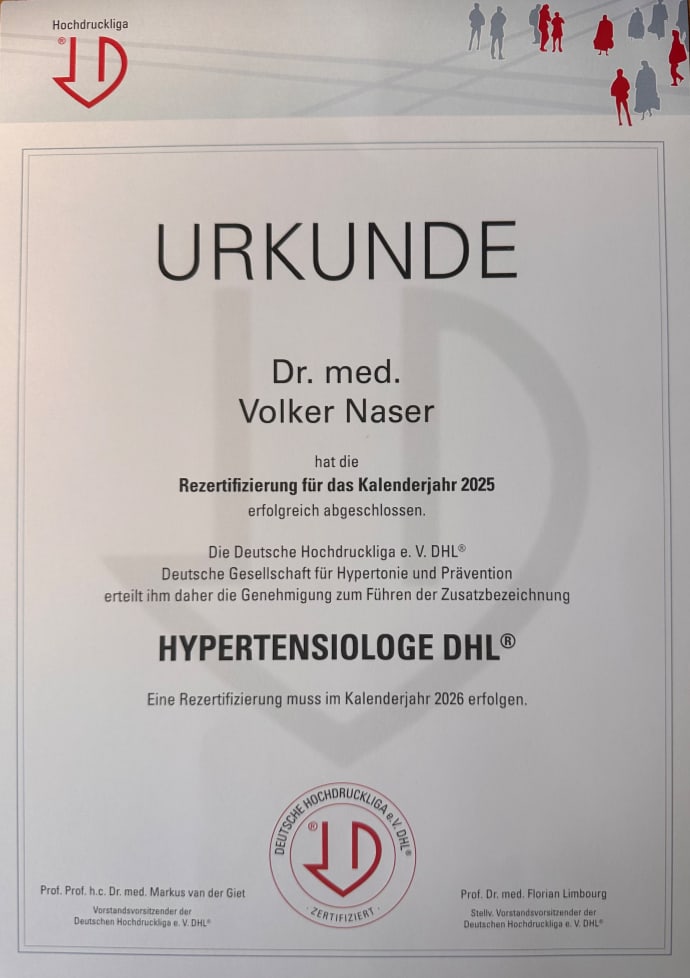
Rezertifizierung HYPERTENSIOLOGE DHL®
Neuer Patientenleitfaden 2024 zum Download
__European Journal of Internal Medicine 126 (2024) 1–15
Available online 24 June 2024
0953-6205/© 2024 The Author(s). Published by Elsevier B.V. on behalf of European Federation of Internal Medicine. This is an open access article under the CC
BY-NC-ND license (http://creativecommons.org/licenses/by-nc-nd/4.0/).Practice Guidelines
2024 European Society of Hypertension clinical practice guidelines for the management of
arterial hypertension
Endorsed by the European Federation of Internal Medicine (EFIM), European Renal Association (ERA), and International Society of
Hypertension (ISH)
1. Introduction
The European Society of Hypertension (ESH) reported in 2023 its
current Guidelines for the management of arterial hypertension [1].
Following their aim to summarize the best available evidence for all
aspects of hypertension management, the Task Force of the 2023
Guidelines generated a comprehensive document covering almost 200
pages including 1736 references [1]. This document thus provides a
valuable and comprehensive source of information for hypertension
management. However, due to the length of the text and its complexity,
not only primary care providers (e.g. family physicians, general phys-
icians/internists), who represent the group of physicians that manages
the vast majority of patients, but also specialists may find it challenging
to navigate through the extensive guidelines with its numerous recom-
mendations. Therefore, the ESH decided to provide with its 2024 Clin-
ical Practice Guidelines a novel concise format that supports the
dissemination of the most important information of the Guidelines for
the management of the general hypertensive population and its imple-
mentation into clinical practice. To this end, the ESH developed a
MASTERplan for the management of hypertension (Fig. 1). For aspects
that are (intentionally) not covered in this document and for the sup-
porting literature readers are referred to the full text of the 2023 ESH
Guidelines [1].
2. Measure blood pressure–diagnose
The accurate measurement of blood pressure (BP) is the cornerstone
for the diagnosis and management of hypertension. The measurement of
BP to diagnose hypertension therefore represents the first pivotal step of
the ESH MASTERplan for the management of hypertension.
• Conventional attended office BP measurement (OBPM) is the
most well-studied method for assessing BP and the one by which the
diagnosis of hypertension, BP classification, the role of BP as a car-
diovascular (CV) risk factor, the protective effect of antihypertensive
treatment and the BP thresholds and targets of therapeutic in-
terventions have been established.
• Ambulatory BP monitoring (ABPM) and home BP monitoring
(HBPM) are important methods for out-of-office BP monitoring, that
provide important additional information for the management of
Abbreviations: ACEi, angiotensin-converting-enzyme inhibitor; ABPM, ambulatory blood pressure monitoring; ADL, activity of daily living; AF, atrial fibrillation;
ARB, angiotensin receptor blocker; ARNI, angiotensin receptor neprylisin inhibitor; BB, beta blocker; BP, blood pressure; BMI, body mass index; bpm, beats per
minute; BSA, body surface area; CCB, calcium channel blocker; CV, cardiovascular; CVD, cardiovascular disease; CKD, chronic kidney disease; COPD, chronic
obstructive pulmonary disease; COVID-19, Coronavirus Disease 2019 (COVID-19); COX-2, cyclooxygenase 2; DASH, dietary approaches to stop hypertension; DBP,
diastolic blood pressure; ECG, electrocardiogram; eGFR, estimated glomerular filtration rate; ESH, European Society of Hypertension; FU, follow-up; HbA1c, he-
moglobin A1c; HBPM, home blood pressure monitoring; HDL, high density lipoprotein; HDP, hypertensive disorders in pregnancy; HF, heart failure; HFpEF, heart
failure with preserved ejection fraction; HFrEF, heart failure with reduced ejection fraction; HMOD, hypertension-mediated organ damage; ISH, isolated systolic
hypertension; LDL, low density lipoprotein; Lp(a), lipoprotien (a); LV, left ventricle; LVH, left ventricular hypertrophy; MMSE, mini mental state examination; MRA,
mineralocorticoid receptor antagonist; MRI, magnetic resonance imaging; NSAIDS, non-steroidal anti-inflammatory drugs; NsMRA, non-steroidal mineralocorticoid
receptor antagonist; OSA, obstructive sleep apnea; OBPM, office blood pressure monitoring; OTC, over the counter medications; PWV, pulse wave velocity; SCORE2,
Systematic COronary Risk Evaluation model 2; SCORE2-OP, Systematic COronary Risk Evaluation model 2 for Older People; SBP, systolic blood pressure; SPC, single
pill combination; SGLT2i, sodium-glucose cotransporter type 2 inhibitors; TIA, transient ischemic attack; T/TL-diuretic, thiazide/thiazide-like diuretic; UACR,
urinary albumin-creatinine ratio.
Contents lists available at ScienceDirect
European Journal of Internal Medicine
journal homepage: www.elsevier.com/locate/ejim
https://doi.org/10.1016/j.ejim.2024.05.033
Received 8 May 2024; Accepted 28 May 2024
European Journal of Internal Medicine 126 (2024) 1–15
2Fig. 1. The ESH MASTERplan for the management of hypertension.
Fig. 2. Recommendations and use of the different methods for BP measurement.
Practice Guidelines
European Journal of Internal Medicine 126 (2024) 1–15
3hypertensive patients. Important recommendations and details for
the use of the different methods for BP measurement are summarized
in Fig. 2.
Clinical indications that support the use of HBPM or ABPM are
summarized in Table 1.
3. Assess patient
A thorough patient work-up aims to gather essential information
about the patient’s personal and medical history, any other relevant
factors and co-morbidities that may impact their BP, CV risk and man-
agement. This information is critical in determining the initiation of the
most appropriate treatment approach and the follow-up strategy.
3.1. Basic assessment
Due to the high prevalence of hypertension and thus the large
number of individuals that will be managed by primary care providers, it
is essential to prioritize the basic assessment to investigations that are
effective and feasible in this setting, allowing widespread implementa-
tion. The recommended pathway shown in Fig. 3 should be adapted
according to the severity of hypertension, clinical circumstances and
individual needs of patients.
The basic assessment includes personal and medical history, physical
examination, lab tests and the recording of a 12-lead resting electro-
cardiogram (ECG) (Fig. 3). The recommended evaluation allows the
diagnosis and staging of chronic kidney disease (CKD), by assessing
estimated glomerular filtration rate (eGFR) and urinary albumin-
creatinine ratio (UACR), and of left ventricular hypertrophy (LVH) by
ECG (although with limited sensitivity).
An extended list of factors to be considered in the evaluation of pa-
tient’s history is shown in Table 2.
An extended list of factors that influence CV risk in patients with
hypertension is shown in Table 3.
Further details for a comprehensive physical examination for pa-
tients with hypertension are summarized in Table 4.
The specific assessment of patients older than 80 years should
include the analysis of their functional capacities/autonomy status as
shown in Table 5.
Table 6 shows selected basic and extended laboratory tests for
assessment of hypertensive patients
3.2. Extended assessment
The extended assessment of hypertension mediated organ damage
(HMOD) can be executed as deemed necessary and available to physi-
cians (Fig. 3).
3.3. When to refer a patient
Basic and extended assessment of patients should support decision
making about when a patient should be referred to a hypertension
specialist or a hospital (including the need for inpatient treatment).
Criteria that influence these decisions are summarized in Fig. 3. Addi-
tional information on the incidence of selected forms of secondary hy-
pertension according to age that can guide clinical decision making
when to refer a patient with suspected secondary hypertension for
further work-up is shown in Fig. 4.
4. Select therapy
4.1. General aspects
Lifestyle interventions have been shown to be effective in reducing
BP in hypertensive patients and can also have additional benefits, such
Table 1
Clinical indications for home and ambulatory BP monitoring*.
Conditions in which white-coat hypertension is more common, e.g.
• Grade I hypertension on office BP measurement
• Marked office BP elevation without HMOD
Conditions in which masked hypertension is more common, e.g.
• High-normal office BP
• Normal office BP in individuals with HMOD or at high total CV risk
In treated individuals
• Confirmation of uncontrolled and true resistant hypertension
• Evaluation of 24 h BP control (especially in high-risk patients)
• Evaluating symptoms suggestive of hypotension (especially in older patients)
Suspected postural or postprandial hypotension in treated patients
Exaggerated BP response to exercise
Considerable variability in office BP measurements
Specific indications for ABPM rather than HBPM
• Assessment of nocturnal BP and dipping status (e.g. sleep apnea, CKD, diabetes, endocrine hypertension, or autonomic dysfunction)
• Patients incapable or unwilling to perform reliable HBPM, or anxious with self-measurement
• Evaluation of patients considered for renal denervation
• Children
• Pregnancy
Specific indications for HBPM rather than ABPM
• Long-term follow-up of treated individuals to improve adherence with treatment and hypertension control
• Patients unwilling to perform ABPM, or with considerable discomfort during the recording
Indications for repeat out-of-office BP evaluation (same or alternative method – HBPM/ABPM)
• Confirmation of white-coat hypertension or masked hypertension in untreated or treated individuals
* Using validated devices (see https://www.stridebp.org/).
Adapted with permission from Wolters Kluwer Health, Inc.: [Mancia G, Kreutz R, Brunstrom M, Burnier M, Grassi G, Januszewicz A, et al. 2023 ESH Guidelines for
the management of arterial hypertension The Task Force for the management of arterial hypertension of the European Society of Hypertension: Endorsed by the
International Society of Hypertension (ISH) and the European Renal Association (ERA). Journal of hypertension 2023; 41:1874–2071. https://doi.org/10.1097/hjh
.0000000000003480].
Practice Guidelines
European Journal of Internal Medicine 126 (2024) 1–15
4Fig. 3. Recommended assessment as adapted according to the severity of hypertension, clinical circumstances and individual needs of patients.
Practice Guidelines
European Journal of Internal Medicine 126 (2024) 1–15
5Table 2
Medical and family historya.
Personal history
• Time of the first diagnosis of hypertension, including records of any previous medical screening, hospitalization
• Stable or rapidly increasing BP
• Recordings of current and past HBPM values
• Current/past antihypertensive medications including their effectiveness and intolerance
• Adherence to therapy
• Previous hypertension in pregnancy/preeclampsia
Risk factorsa
• Family history of hypertension, CVD, stroke or kidney disease
• Smoking history
• Dietary history, alcohol consumption
• High volume of sedentary behavior and lack of physical activity
• Weight gain or loss in the past
• History of erectile dysfunction
• Sleep history, snoring, sleep apnea (information also from partner)
• Stress
• Long-term cancer survivor
History, signs and symptoms of HMOD, CVD, stroke and kidney disease
• Brain and eyes: headache, vertigo, syncope, impaired vision, TIA, sensory or motor deficit, stroke, carotid revascularization, cognitive impairment, memory loss, dementia (in older
people)
• Heart: chest pain, shortness of breath, edema, myocardial infarction, coronary revascularization, syncope, history of palpitations, arrhythmias (especially AF), heart failure
• Kidney: thirst, polyuria, nocturia, hematuria, urinary tract infections
• Peripheral arteries: cold extremities, intermittent claudication, pain-free walking distance, pain at rest, ulcer or necrosis, peripheral revascularization
• Patient or family history of CKD (e.g. polycystic kidney disease)
History of possible secondary hypertension
• Young onset of grade 2 or 3 hypertension (<40 years), or sudden development of hypertension or rapidly worsening BP in older patients
• History of repetitive renal/urinary tract disease
• Repetitive episodes of sweating, headache, anxiety or palpitations, suggestive of pheochromocytoma
• History of spontaneous or diuretic-provoked hypokalemia, episodes of muscle weakness and tetany (hyperaldosteronism)
• Symptoms suggestive of thyroid disease or hyperparathyroidism
• History of or current pregnancy, postmenopausal status and oral contraceptive use or hormonal substitution
Drug treatments or use (other than antihypertensive drugs)
• Recreational drug/substance abuse, concurrent therapies including nonprescription drugs, e.g. glucocorticoids, NSAIDs/COX-2 inhibitors, paracetamol (acetaminophen),
immunosuppressive drugs, anticancer drugs, nasal decongestants
a Additional factors to be considered are listed in Table 3
Adapted with permission from Wolters Kluwer Health, Inc.: [Mancia G, Kreutz R, Brunstrom M, Burnier M, Grassi G, Januszewicz A, et al. 2023 ESH Guidelines for
the management of arterial hypertension The Task Force for the management of arterial hypertension of the European Society of Hypertension: Endorsed by the
International Society of Hypertension (ISH) and the European Renal Association (ERA). Journal of hypertension 2023; 41:1874–2071. https://doi.org/10.1097/hjh
.0000000000003480].
Practice Guidelines
European Journal of Internal Medicine 126 (2024) 1–15
6Table 3
Factors that influence CV risk in patients with hypertension.
Parameter for risk stratification, which are included in SCORE2 and SCORE2-OP
Sex (men >women)
Age
Level of SBPa
Smoking – current or past history
Non-HDL cholesterol
Established and suggested novel factors
Family or parental history of early onset hypertension
Personal history of malignant hypertension
Family history of premature CVD (men aged <55 years; women aged <65 years)
Heart rate (resting values >80 bpm)
Low birth weight
Sedentary lifestyle
Overweight or Obesity
Diabetes
Dyslipidemia
Lp(a)
Uric acid
Adverse outcomes of pregnancy (recurrent pregnancy loss, preterm delivery, hypertensive disorders, gestational diabetes)
Early-onset menopause
Frailty, functional capacities and autonomy status
Psychosocial and socioeconomic factors
Migration
Environmental exposure to air pollution or noise
Additional clinical conditions or comorbidities
True resistant hypertension
Sleep disorders (including OSA)
COPD
Gout
Chronic inflammatory diseases
Metabolic dysfunction-associated fatty liver disease
Chronic infections (including long COVID-19)
Migraine
Depressive syndromes
Erectile dysfunction
Hypertension-mediated organ damage (HMOD)
Increased large artery stiffness
Pulse pressure (in older people) ≥60 mmHg
Carotid–femoral PWV >10 m/s in middle-aged people
Presence of non-hemodynamically significant atheromatous plaque (stenosis) on imaging
ECG LVH (Sokolow–Lyon index >35 mm, or R in aVL ≥11 mm; Cornell voltage-duration product (+6 mm in women) >2440 mm*ms, or Cornell voltage >28 mm in men or >20 mm
in women)
Echocardiographic LVH (LV mass index: men >50 g/m2.7; women >47 g/m2.7 (m = height in meters); indexation for BSA may be used in normal-weight patients: >115 g/m2 in men
and >95/m2 in women
Moderate increase of albuminuria 30–300 mg/24 h or elevated UACR (preferably in morning spot urine) 30 –300 mg/g
CKD stage 3 with eGFR 30–59 ml/min/1.73 m2
Ankle–brachial index <0.9
Advanced retinopathy: hemorrhages or exudates, papilledema
Established cardiovascular and kidney disease
Cerebrovascular disease: ischemic stroke, cerebral hemorrhage, TIA
Coronary artery disease: myocardial infarction, angina, myocardial revascularization
Presence of hemodynamically significant atheromatous plaque (stenosis) on imaging
Heart failure
Peripheral artery disease
Atrial fibrillation
Severe albuminuria > 300 mg/24 h or UACR (preferably in morning spot urine) >300 mg/g
CKD stage 4 and 5, eGFR < 30 mL/min/1.73m2
a DBP is not included in the SCORE2/SCORE2-OP tool to estimate CV risk.
Adapted with permission from Wolters Kluwer Health, Inc.: [Mancia G, Kreutz R, Brunstrom M, Burnier M, Grassi G, Januszewicz A, et al. 2023 ESH Guidelines for
the management of arterial hypertension The Task Force for the management of arterial hypertension of the European Society of Hypertension: Endorsed by the
International Society of Hypertension (ISH) and the European Renal Association (ERA). Journal of hypertension 2023; 41:1874–2071. https://doi.org/10.1097/hjh
.0000000000003480].
Practice Guidelines
European Journal of Internal Medicine 126 (2024) 1–15
7as increasing the efficacy of BP-lowering therapy, improving overall CV
health and reducing the risk of other chronic diseases. They are
important in the prevention of hypertension and may control BP when
used alone already in a fraction of patients, i.e. in patient with mildly
elevated grade 1 hypertension with systolic BP (SBP) and diastolic BP
(DBP) <150/95 mmHg and low CV risk. However, most patients with
hypertension should be treated with a combination of both lifestyle in-
terventions and pharmacological treatment. The strategy for the initial
management of hypertension with the aim to control BP within 3
months according to the risk of patients is shown in Fig. 5.
The initial management as well as follow-up strategies should be
executed according to the risk of patients as summarized in Fig. 6.
4.2. Lifestyle interventions
The recommended lifestyle interventions together with their rele-
vance and prescribing patterns are shown in Fig. 7.
4.3. Pharmacological treatment
The general treatment strategy for patients with hypertension is
shown in Fig. 8. The recommended major BP-lowering drug classes
include angiotensin-converting enzyme inhibitors (ACEi), angiotensin
receptor blockers (ARB), beta-blockers (BB), calcium channel blockers
(CCB) and thiazide/thiazide-like diuretics (T/TL-diuretics). Additional
therapies can be considered in patients with true resistant hypertension,
heart failure and CKD as shown. Furthermore, renal denervation can be
considered in true-resistant hypertension (Fig. 8) and in patients who
have uncontrolled BP despite the use of antihypertensive drug combi-
nation therapy, or if drug treatment elicits serious side effects and poor
quality of life (if eGFR > 40 ml/min/1.73m2).
The general strategy for pharmacological treatment shown in Fig. 8
applies to a large number of patients including patients with diabetes,
after a stroke or with peripheral artery disease. Further specific treat-
ment algorithms for true resistant hypertension and important co-
morbidities including coronary heart disease, heart failure with pre-
served ejection fraction, atrial fibrillation, and CKD are shown in suppl.
Figs. 1–5.
The general BP treatment targets for office SBP and DBP are also
shown in Fig. 8 along with additional comments that indicate the need to
adjust these targets, e.g. in certain patient populations.
The recommended strategy in older persons according to their
functional capacities/autonomy status is summarized in Fig. 9.
5. Evaluate response
It is important to evaluate the BP response after treatment initiation
(3 months) as well as during short-term and long-term follow-up in
patients with hypertension in order to monitor the effectiveness of the
treatment and make any necessary adjustments. To aim first for BP
control with SBP and DBP below 140 and 80 mmHg in most patients in
the general hypertensive population and subsequently for optimal BP
control achieving the individual BP targets is the important goal that
should be evaluated (Fig. 8). However, the evaluation of possible side
effects (tolerability) and safety parameters, e.g. eGFR and serum po-
tassium levels, in response to treatment and changes in the risk factor
Table 5
Assessment of functional capacities/autonomy status in hypertensive patients
older than 80 years.
Group 1 Group 2 Group 3
Characteristics Fit Slowed but
autonomous for
most activities
Severely
dependent
Diagnosis -ADL (Katz) ≥5
and
-absence of clinically
significant dementia
(MMSE>20)
and
-routine walking
activities
-Profile between
Groups 1 and 3
-ADL (Katz):
≤2
or
-severe
dementia
(MMSE
≤10)
or
chronic
bedridden
or
-end of life
ADL: Activities of Daily Living (Katz Index) scaled rated from 0 (completely
dependent) to 6 (completely autonomous).
This scale comprises 6 ADL: Bathing, Dressing, Toileting, Transferring, Feeding
and Continence.
For each ADL ‘0′ means that the person is unable to do it without assistance, 0.5
need of some assistance, 1 no need of any assistance.
MMSE: Mini mental state examination. Score 0–30, 30 best, 0–10 severe de-
mentia, 11–20 moderate dementia, 21–30 absence of clinically significant de-
mentia. The assessment is used to guide treatment as shown in Fig. 9.
Adapted with permission from Wolters Kluwer Health, Inc.: [Mancia G, Kreutz R,
Brunstrom M, Burnier M, Grassi G, Januszewicz A, et al. 2023 ESH Guidelines for
the management of arterial hypertension The Task Force for the management of
arterial hypertension of the European Society of Hypertension: Endorsed by the
International Society of Hypertension (ISH) and the European Renal Association
(ERA). Journal of hypertension 2023; 41:1874–2071. https://doi.org/10.10
97/hjh.0000000000003480].
Table 4
Comprehensive physical examination for hypertensiona.
Body habitus
• Weight and height measured on a calibrated scale, with calculation of BMI
• Waist circumference
Signs of hypertension-mediated organ damage
• Neurological examination and cognitive status
• Fundoscopic examination for hypertensive retinopathy in emergencies
• Auscultation of heart and carotid arteries
• Palpation of carotid and peripheral arteries
• Ankle–brachial index
Signs of secondary hypertension
• Skin inspection: cafe-au-lait patches of neurofibromatosis (pheochromocytoma)
• Kidney palpation for signs of renal enlargement in polycystic kidney disease
• Auscultation of heart and renal arteries for murmurs or bruits indicative of aortic coarctation, or renovascular hypertension
• Signs of Cushing’s disease or acromegaly
• Signs of thyroid disease
a Can be adapted according to the clinical circumstance.
Adapted with permission from Wolters Kluwer Health, Inc.: [Mancia G, Kreutz R, Brunstrom M, Burnier M, Grassi G, Januszewicz A, et al. 2023 ESH Guidelines for
the management of arterial hypertension The Task Force for the management of arterial hypertension of the European Society of Hypertension: Endorsed by the
International Society of Hypertension (ISH) and the European Renal Association (ERA). Journal of hypertension 2023; 41:1874–2071. https://doi.org/10.1097/hjh
.0000000000003480].
Practice Guidelines
European Journal of Internal Medicine 126 (2024) 1–15
8Table 6
Selected standard laboratory tests for work-up of hypertensive patientsa.
Blood (serum/plasma)
• Hemoglobin and/or hematocrit
• Fasting blood glucose and HbA1c
• Lipids: total cholesterol, LDL cholesterol, HDL cholesterol, triglycerides
• Potassium and sodium
• Uric acid
• Creatinine (and/or cystatin C) for estimating GFR with eGFR formulas
• Calcium
Urine
• Multicomponent dipstick test, UACR (preferably early morning spot urine), microscopic examination in selected patients
a Can be adapted according to the clinical circumstance.
Adapted with permission from Wolters Kluwer Health, Inc.: [Mancia G, Kreutz R, Brunstrom M, Burnier M, Grassi G, Januszewicz A, et al. 2023 ESH Guidelines for
the management of arterial hypertension The Task Force for the management of arterial hypertension of the European Society of Hypertension: Endorsed by the
International Society of Hypertension (ISH) and the European Renal Association (ERA). Journal of hypertension 2023; 41:1874–2071. https://doi.org/10.1097/hjh
.0000000000003480].
Fig. 4. Incidence of selected forms of secondary hypertension according to age.
Reproduced with permission from Wolters Kluwer Health, Inc.: [Mancia G, Kreutz R, Brunstrom M, Burnier M, Grassi G, Januszewicz A, et al. 2023 ESH Guidelines
for the management of arterial hypertension The Task Force for the management of arterial hypertension of the European Society of Hypertension: Endorsed by the
International Society of Hypertension (ISH) and the European Renal Association (ERA). Journal of hypertension 2023; 41:1874–2071. https://doi.org/10.1097/hjh
.0000000000003480].
Practice Guidelines
European Journal of Internal Medicine 126 (2024) 1–15
9Fig. 5. Strategy of the initial management of hypertension with the aim to control BP within 3 months according to the risk of patients.
Adapted with permission from Wolters Kluwer Health, Inc.: [Mancia G, Kreutz R, Brunstrom M, Burnier M, Grassi G, Januszewicz A, et al. 2023 ESH Guidelines for
the management of arterial hypertension The Task Force for the management of arterial hypertension of the European Society of Hypertension: Endorsed by the
International Society of Hypertension (ISH) and the European Renal Association (ERA). Journal of hypertension 2023; 41:1874–2071. https://doi.org/10.1097/hjh
.0000000000003480].
Practice Guidelines
European Journal of Internal Medicine 126 (2024) 1–15
10Fig. 6. Risk stratification according to grade and stage of hypertension.
Adapted with permission from Wolters Kluwer Health, Inc.: [Mancia G, Kreutz R, Brunstrom M, Burnier M, Grassi G, Januszewicz A, et al. 2023 ESH Guidelines for
the management of arterial hypertension The Task Force for the management of arterial hypertension of the European Society of Hypertension: Endorsed by the
International Society of Hypertension (ISH) and the European Renal Association (ERA). Journal of hypertension 2023; 41:1874–2071. https://doi.org/10.1097/hjh
.0000000000003480].
Practice Guidelines
European Journal of Internal Medicine 126 (2024) 1–15
11Fig. 7. Recommended lifestyle interventions together with their relevance and prescribing patterns.
Practice Guidelines
European Journal of Internal Medicine 126 (2024) 1–15
12Fig. 8. The general treatment strategy for patients with hypertension.
Adapted with permission from Wolters Kluwer Health, Inc.: [Mancia G, Kreutz R, Brunstrom M, Burnier M, Grassi G, Januszewicz A, et al. 2023 ESH Guidelines for
the management of arterial hypertension The Task Force for the management of arterial hypertension of the European Society of Hypertension: Endorsed by the
International Society of Hypertension (ISH) and the European Renal Association (ERA). Journal of hypertension 2023; 41:1874–2071. https://doi.org/10.1097/hjh
.0000000000003480].
Practice Guidelines
European Journal of Internal Medicine 126 (2024) 1–15
13Fig. 9. Recommended strategy in older persons according to their functional capacities/autonomy status.
Practice Guidelines
European Journal of Internal Medicine 126 (2024) 1–15
14profile, HMOD or co-morbidities is also important. Fig. 10 summarizes
important aspects that should be evaluated and considered during the
initiation phase, short-term and long-term follow up.
6. Conclusions
The successful implementation of the guideline recommendations for
the treatment of hypertension depends on many factors, including na-
tional/regional opportunities and challenges in healthcare systems. The
ESH hopes that this MASTERplan will make a meaningful contribution
to the further development and improvement of hypertension care.
Declaration of competing interest
The conflict of interest declaration of authors are compiled into one
file that can be found on the ESH website: https://www.eshonline.or
g/guidelines/2023-guidelines/. ESH received no financial support for
the generation of this guidelines.
Acknowledgements
We wish to sincerely thank Mandy Elgner (ESH coordinator) for her
assistance, Joan Tycko (Certified Medical Illustrator) for excellent sup-
port in the preparation of the Figures of the MASTERplan and Medycyna
Praktuczna Publishers for additional graphical support.
Supplementary materials
Supplementary material associated with this article can be found, in
the online version, at doi:10.1016/j.ejim.2024.05.033.
Reference
[1] Mancia G, Kreutz R, Brunstrom M, Burnier M, Grassi G, Januszewicz A, et al. 2023
ESH Guidelines for the management of arterial hypertension The Task Force for the
management of arterial hypertension of the European Society of Hypertension:
endorsed by the International Society of Hypertension (ISH) and the European Renal
Association (ERA). J Hypertens 2023;41:1874–2071.
Fig. 10. Summary of important aspects that should be evaluated and considered during the initiation phase, short-term and long-term follow up.
Practice Guidelines
European Journal of Internal Medicine 126 (2024) 1–15
15Reinhold Kreutza,1,*, Mattias Brunstr¨omb, Michel Burnierc,
Guido Grassid, Andrzej Januszewicze, Maria Lorenza Muiesanf,
Konstantinos Tsioufisg, Rosa Maria de Pinhoh, Fabio Lucio Albinii,j,
Jean-Marc Boivink,l, Michalis Doumasm, J´anos Nemcsikn,
Enrique Rodillao, Enrico Agabiti-Roseip, Engi Abd Elhady Algharablya,
Giancarlo Agnelliq, Athanase Benetosr, Jana Brguljan Hitijs,
Renata Cífkov´at,u, V´eronique Cornelissenv, A.H. Jan Danserw,
Christian Dellesx, Ricardo G´omez Huelgasy,z, Zolt´an J´araiaa,
Paolo Palatiniab, Atul Pathakac, Alexandre Persuad, Jorge Poloniaae,
Pantelis Sarafidisaf, George Stergiouag, Costas Thomopoulosah,
Christoph Wannerai, Thomas Weberaj, Bryan Williamsak, Sverre
E. Kjeldsenal, Giuseppe Manciaam,1
a Charit´e–Universit¨atsmedizin Berlin, Corporate Member of Freie Universit¨at
Berlin and Humboldt-Universit¨at zu Berlin, Institute of Clinical
Pharmacology and Toxicology, Berlin, Germany
b Department of Public Health and Clinical Medicine, Umeå University,
Umeå, Sweden
c Faculty of Biology and Medicine, University of Lausanne, Lausanne,
Switzerland
d Clinica Medica, University Milano-Bicocca, Milan, Italy
e Department of Hypertension, National Institute of Cardiology, Warsaw,
Poland
f UOC 2 Medicina, ASST Spedali Civili di Brescia, Department of Clinical
and Experimental Sciences, University of Brescia, Brescia, Italy
g First Department of Cardiology, Medical School, University of Athens,
Hippokration Hospital, Athens, Greece
h General and Family Doctor, ULS Entre Douro e Vouga, S˜ao Jo˜ao da
Madeira, Portugal
i Centro Ipertensione e Protezione Cardiovascolare, Milano-Nord, Italy
j ATS-Milano Citt`a Metropolitana, Milan, Italy
k Department of Family Medicine, Lorraine University, Nancy, France
l ESH Hypertension Excellence Center Coordinator, Nancy, France
m 2nd Prop Department of Internal Medicine, Aristotle University,
Thessaloniki, Greece
n Department of Family Medicine, Semmelweis University, Budapest,
Hungary
o Hypertension Unit, Hospital de Sagunto, Universidad Cardenal Herrera-
CEU, CEU Universities, Valencia, Spain
p Department of Clinical and Experimental Sciences, University of Brescia,
Italy
q Istituti Clinici Scientifici Maugeri, IRCCS, University of Perugia, Perugia,
Italy
r Department of Geriatric Medicine and INSERM DCAC, CHRU-Nancy,
Universit´e de Lorraine, Nancy, France
s Department of Hypertension, University Medical Centre Ljubljana, Medical
University Ljubljana, Ljubljana, Slovenia
t Center for Cardiovascular Prevention, Charles University in Prague, First
Faculty of Medicine and Thomayer University Hospital, Prague, Czech
Republic
u Department of Medicine II, Charles University in Prague, First Faculty of
Medicine, Prague, Czech Republic
v Department of Rehabilitation Sciences, KU Leuven, Leuven, Belgium
w Division of Pharmacology and Vascular Medicine, Department of Internal
Medicine, Erasmus MC, University Medical Center Rotterdam, the
Netherlands
x School of Cardiovascular and Metabolic Health, University of Glasgow,
Glasgow, UK
y Clinical Management Unit of Internal Medicine, Hospital Regional
Universitario de M´alaga, Instituto de Investigaci´on Biom´edica de M´alaga,
University of M´alaga, M´alaga, Spain
z CIBER Fisiopatología de la Obesidad y la Nutrici´on, Instituto de Salud
Carlos III, Madrid, Spain
aa South-Buda Center Hospital St. Imre University Hospital, Budapest &
Semmelweis University, Budapest, Hungary
ab Studium Patavinum, Department of Medicine, University of Padova,
Padova, Italy
ac Princess Grace Hospital Monaco (Centre Hospitalier Princesse Grace,
CHPG), Monaco
ad Division of Cardiology, Department of Cardiovascular Diseases, Cliniques
Universitaires Saint-Luc and Pole of Cardiovascular Research, Institut de
Recherche Exp´erimentale et Clinique, Universit´e Catholique de Louvain,
Brussels, Belgium
ae Faculty of Medicine of Porto, CINTESIS, Portugal
af 1st Department of Nephrology, Hippokration Hospital, Aristotle University
of Thessaloniki, Greece
ag Hypertension Center STRIDE-7, School of Medicine, Third Department of
Medicine, Sotiria Hospital, National and Kapodistrian University of Athens,
Athens, Greece
ah Department of Cardiology, General Hospital of Athens “Laiko”, Greece
ai Division of Nephrology, Wuerzburg University Clinic, Wuerzburg,
Germany
aj Cardiology Department, Klinikum Wels-Grieskirchen, Wels, Austria
ak Institute of Cardiovascular Sciences, University College London (UCL),
National Institute for Health Research UCL Hospitals Biomedical Research
Centre, London, UK
al Departments of Cardiology and Nephrology, Institute for Clinical
Medicine, and Ullevål Hospital, University of Oslo, Oslo, Norway
am University of Milano-Bicocca, Milan, Italy
* Corresponding author.
E-mail address: reinhold.kreutz@charite.de (R. Kreutz).
1 Chairpersons of the Guidelines.
Practice Guidelines___________________________________________________________________
Das Fortbildungszertifikat wurde ab 2024 wieder erneuert.
Fortbildungszertifikat:
_____________________________________________________________________
Fortbildungszertifikat – Deutsche Gesellschaft für Tropenmedizin, Reisemedizin und Globale Gesundheit e.V.:

_____________________________________________________________________
„Lernen ist wie Rudern gegen den Strom. Sobald man aufhört, treibt man zurück.“ Benjamin Britten
Sehr geehrte Patientinnen, sehr geehrte Patienten,
in diesem Sinne freue ich mich Ihnen mitteilen zu können, dass ich Sie seit dem 1. April 2014 als DGFF zertifizierter Lipidologe bei der Prävention, Diagnostik und Therapie von Fettstoffwechselstörungen und Atherosklerose beraten kann.
Ihr
Dr.med. V. Naser
______________________________________________________________________
Sehr geehrte Patientinnen, sehr geehrte Patienten,
sollten Sie bei der AOK versichert sein, dann möchten wir Sie gemeinsam mit Ihrer Krankenkasse einladen an dem Hausarzt- und Facharzt-Modell teilzunehmen .
Schreiben Sie sich ein, auch für die neuen Facharztprogramme. Die entsprechenden Formulare liegen in der Praxis aus.
Ihr Praxis Team